
Introduction
Legal rights form the backbone of every fair and democratic society. They provide individuals with protection, freedom, and equal treatment under the law. Without legal rights, people would have little defense against discrimination, exploitation, or abuse of power. These rights establish the relationship between individuals and institutions, ensuring that everyone is treated fairly and given opportunities to pursue their goals without unnecessary interference.
The concept of Legal Rights has evolved over centuries through legal systems, constitutions, and international agreements. Today, they influence almost every aspect of life, from employment and education to property ownership and personal freedom. Understanding these rights is essential because knowledge empowers people to protect themselves and seek justice when necessary. Whether dealing with workplace issues, consumer disputes, or civil matters, awareness of legal protections helps individuals make informed decisions and safeguard their interests.
This article explores the meaning, types, importance, and practical application of legal rights while highlighting their role in creating a balanced and just society.
What Are Legal Rights?

Legal rights are entitlements recognized and protected by a country’s laws. They grant individuals the ability to act in certain ways or receive specific protections under the legal system. Unlike moral rights, which are based on ethical principles, legal rights are enforceable through courts and government institutions.
The purpose of Legal Rights is to ensure fairness and order within society. These rights provide a framework that defines acceptable behavior and establishes remedies when violations occur. For example, citizens may have the right to freedom of speech, access to education, or protection against discrimination.
Legal rights are not static. They evolve as societies change and new challenges emerge. Governments regularly update laws to address issues such as digital privacy, workplace equality, and environmental protection. This adaptability ensures that legal systems remain relevant and continue to serve the needs of modern communities.
Understanding legal rights allows individuals to recognize when their protections are being upheld or violated. It also promotes civic responsibility by encouraging respect for the rights of others.
The Historical Development of Legal Rights
The history of legal rights stretches back thousands of years. Ancient civilizations established early legal codes to regulate behavior and resolve disputes. Over time, these systems became more sophisticated, laying the foundation for modern legal frameworks.
One significant milestone was the development of constitutional governments, which limited the power of rulers and recognized certain freedoms for citizens. These advancements contributed to the expansion of Legal Rights and the idea that all individuals deserve equal protection under the law.
The twentieth century witnessed major progress in human rights and civil liberties. International organizations and treaties promoted universal standards of justice and equality. Many countries incorporated these principles into their constitutions and legal systems, strengthening protections for citizens.
Today, legal rights continue to evolve in response to social, economic, and technological changes. This ongoing development reflects society’s commitment to fairness, dignity, and justice for all.
Types of Legal Rights
Legal rights can be divided into several categories based on their purpose and application. Each type serves a unique function in protecting individuals and maintaining social order.
Civil Rights
Civil rights protect individuals from discrimination and ensure equal treatment regardless of race, gender, religion, or other characteristics. These rights promote inclusion and fairness in public life.
Political Rights
Political rights allow citizens to participate in government processes. Examples include voting, running for office, and expressing political opinions freely.
Economic Rights
Economic rights relate to employment, fair wages, and access to economic opportunities. They help create stable and productive societies.
Social Rights
Social rights focus on welfare, healthcare, education, and other essential services. They support quality of life and human development.
Property Rights
Property rights enable individuals to own, use, and transfer property legally. These protections encourage investment and economic growth.
Together, these categories demonstrate the broad scope of Legal Rights and their importance in daily life.
Why Legal Rights Are Important
Legal rights play a crucial role in protecting individuals and promoting social stability. They create a framework that balances personal freedom with societal responsibilities.
One major benefit of legal rights is protection from abuse and injustice. Laws establish clear standards for acceptable conduct and provide remedies when violations occur. This helps prevent exploitation and encourages accountability.
Another important function is promoting equality. Legal Rights ensure that all individuals receive fair treatment regardless of their background or circumstances. Equal protection under the law strengthens trust in institutions and supports social harmony.
Legal rights also encourage participation in society. People are more likely to engage in education, employment, business, and civic activities when they know their rights are protected. This contributes to economic growth and democratic development.
Ultimately, legal rights help create a stable environment where individuals can pursue opportunities and contribute positively to their communities.
Legal Rights in the Workplace

Workplace rights are among the most important protections available to employees. They ensure fair treatment and safe working conditions while promoting productive employer-employee relationships.
Employees generally have rights related to wages, working hours, safety, and protection from discrimination. Labor laws establish standards that employers must follow to maintain lawful and ethical workplaces.
Understanding Legal Rights in employment settings can help workers address issues such as unpaid wages, harassment, or wrongful termination. Awareness of these protections empowers individuals to seek assistance and resolve disputes effectively.
Employers also benefit from respecting legal rights. Compliance with labor laws reduces conflicts, improves morale, and enhances organizational reputation. A workplace built on fairness and respect tends to be more productive and successful.
As industries evolve and remote work becomes more common, employment laws continue adapting to address emerging challenges and opportunities.
Consumer Legal Rights
Consumers interact with businesses daily, making consumer protection an essential aspect of modern legal systems. Consumer rights help ensure fair transactions and safeguard individuals from deceptive practices.
These protections may include the right to accurate information, product safety, refunds under certain conditions, and protection against fraud. Such safeguards encourage trust between businesses and customers.
Knowledge of Legal Rights allows consumers to make informed purchasing decisions and seek remedies when products or services fail to meet expectations. Consumer protection agencies and courts often provide assistance in resolving disputes.
Strong consumer rights also benefit businesses by encouraging transparency and ethical conduct. Companies that prioritize customer satisfaction are more likely to build long-term relationships and maintain positive reputations.
In today’s digital marketplace, consumer rights increasingly address online transactions, data privacy, and electronic commerce.
Legal Rights and Personal Freedom
Personal freedom is closely connected to legal rights. Many legal protections exist specifically to preserve individual autonomy and prevent unjust interference.
Examples include freedom of speech, freedom of religion, freedom of association, and protection against unlawful detention. These rights enable people to express themselves, pursue personal beliefs, and participate in society without fear of oppression.
The protection of Legal Rights ensures that governments and institutions operate within established limits. Checks and balances help prevent abuses of power and preserve democratic principles.
However, personal freedoms are not unlimited. Legal systems often balance individual rights with public safety and the rights of others. Courts frequently play a role in interpreting laws and resolving conflicts involving competing interests.
This balance is essential for maintaining both liberty and social order within a functioning society.
Protecting and Enforcing Legal Rights
Having legal rights is important, but effective enforcement is equally critical. Legal systems provide mechanisms that allow individuals to seek justice when their rights are violated.
Courts serve as primary institutions for resolving disputes and interpreting laws. Administrative agencies, ombudsmen, and regulatory bodies may also assist in protecting rights within specific sectors.
Individuals can strengthen their ability to protect Legal Rights by staying informed, documenting relevant information, and seeking professional legal advice when necessary. Early action often improves the likelihood of successful resolution.
Public education also plays a vital role in enforcement. Communities that understand their rights are better equipped to identify violations and hold institutions accountable.
Technological advancements are increasingly improving access to legal resources, making it easier for people to learn about their rights and pursue remedies when needed.
Challenges Facing Legal Rights in the Modern World
Despite significant progress, legal rights continue to face various challenges. Rapid technological development, globalization, and social change create new legal questions and complexities.
Digital privacy is one of the most prominent concerns. As individuals share increasing amounts of personal information online, governments and organizations must balance innovation with privacy protections.
Economic inequality can also affect access to justice. Although Legal Rights may exist in theory, practical barriers such as legal costs or limited resources can make enforcement difficult for some individuals.
Additionally, emerging technologies such as artificial intelligence raise important questions regarding accountability, discrimination, and transparency. Legal systems worldwide are adapting to address these evolving issues.
Addressing modern challenges requires collaboration among lawmakers, courts, businesses, and citizens to ensure that legal protections remain effective and relevant.
The Future of Legal Rights
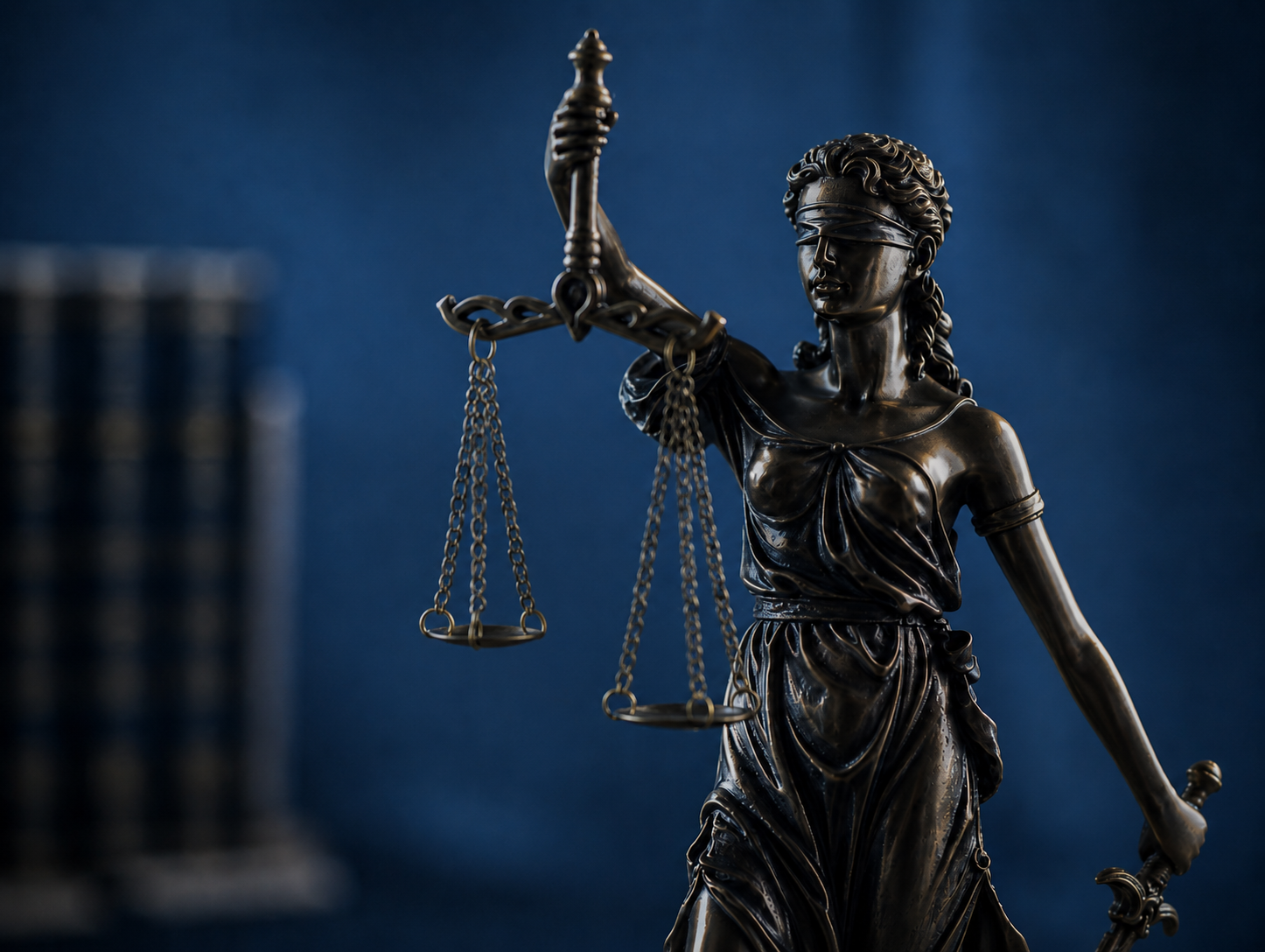
The future of legal rights will likely be shaped by technological innovation, social movements, and global cooperation. New laws and regulations will continue emerging to address evolving societal needs.
Areas such as cybersecurity, environmental protection, digital identity, and artificial intelligence are expected to receive increasing legal attention. Policymakers will need to develop frameworks that balance innovation with individual protections.
Expanding awareness of Legal Rights will remain essential. Educational initiatives and accessible legal resources can help individuals understand and exercise their rights more effectively.
International cooperation may also play a growing role in addressing cross-border challenges, including online commerce, data protection, and human rights concerns. By adapting to changing circumstances, legal systems can continue promoting justice and equality in the future.
Conclusion
Legal rights are fundamental to personal freedom, social stability, and justice. They protect individuals from unfair treatment, provide opportunities for participation in society, and establish mechanisms for resolving disputes. From workplace protections and consumer safeguards to civil liberties and property ownership, legal rights influence nearly every aspect of modern life.
Understanding Legal Rights empowers individuals to make informed decisions, defend their interests, and contribute to a fair and responsible society. As the world continues to evolve, legal systems must adapt to address new challenges while preserving the principles of equality, accountability, and justice. By valuing and protecting legal rights, societies can create environments where individuals thrive and communities prosper.