
What is a fatal accident investigation?
A fatal accident investigation examines a fatal incident to determine its cause, contributing factors, and safety improvements.
Best practices?
Preserve evidence, interview witnesses, analyze data, and document findings accurately.
How to choose experts?
Look for experience, certifications, and expertise in forensic and accident analysis.
Introduction
When a fatal accident occurs, the consequences extend far beyond the immediate loss of life. Families seek answers, organizations face difficult questions, and authorities must determine exactly what happened. Without a thorough investigation, critical lessons may be missed, increasing the risk of similar tragedies in the future.
Understanding the causes behind fatal incidents is essential for improving safety standards and protecting lives. Whether the accident occurs in a workplace, on a roadway, at a construction site, or in an industrial facility, a structured investigative process helps identify contributing factors and corrective actions.
Modern investigations combine forensic science, accident reconstruction, witness statements, safety audits, and data analysis to uncover the truth. These findings often influence legal proceedings, regulatory compliance, insurance claims, and future safety policies.
Quick Summary
- Determines the root causes of death-causing incidents.
- Uses evidence collection, forensic analysis, and witness interviews.
- Helps organizations improve workplace and public safety.
- Supports legal, regulatory, and insurance processes.
Understanding Fatal Accident Investigation
A fatal accident investigation aims to identify the sequence of events that led to a fatal incident. Investigators focus on determining not only the direct cause but also the underlying factors that contributed to the event.
The process typically involves examining physical evidence, reviewing procedures, analyzing equipment performance, and interviewing witnesses. By understanding what happened and why it happened, organizations can implement corrective measures that reduce future risks.
Why Fatal Accident Investigations Matter
Every fatal accident represents an opportunity to learn valuable safety lessons. Investigations provide insights into operational failures, human errors, environmental hazards, and management shortcomings that may otherwise remain hidden.
Research from occupational safety organizations consistently shows that thorough investigations contribute significantly to reducing repeat incidents. Many industries report measurable improvements in safety performance after implementing recommendations derived from accident findings.
Key Steps in the Investigation Process
Securing the Accident Scene
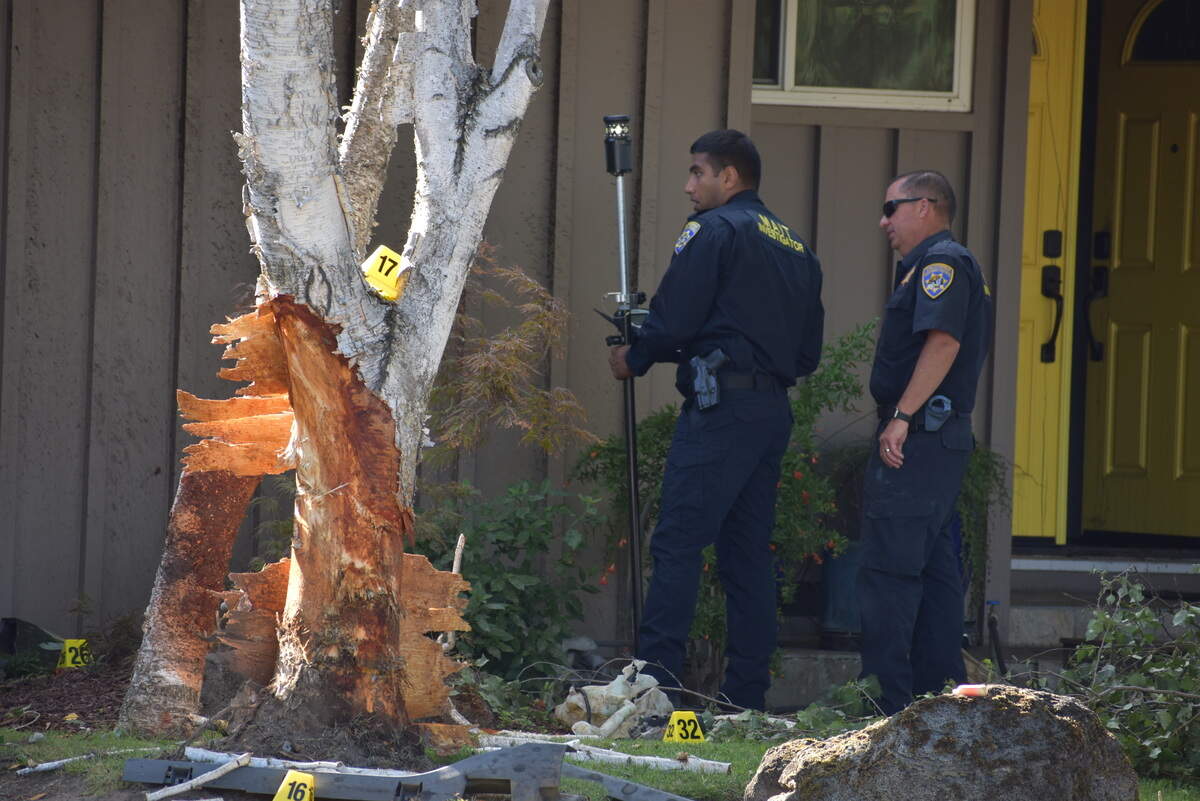
The first priority is preserving the scene. Investigators ensure that evidence remains undisturbed while emergency responders complete their work. Photographs, videos, measurements, and environmental observations are documented immediately.
Proper scene preservation is crucial because even minor alterations can affect the accuracy of later findings.
Collecting Evidence
Evidence collection includes physical materials, equipment records, maintenance logs, surveillance footage, and digital data. Investigators may also gather weather information, operational records, and communication logs.
Modern technology allows investigators to analyze data from sensors, vehicle systems, and monitoring equipment, providing a clearer understanding of events leading to the accident.
Interviewing Witnesses
Witness interviews help establish timelines and identify observations that may not be visible through physical evidence alone. Investigators carefully document statements while minimizing bias and maintaining consistency.
Witness accounts are compared with other evidence sources to verify accuracy and identify discrepancies.
Conducting Forensic Analysis
Forensic experts analyze injuries, equipment failures, structural damage, and environmental conditions. Specialized testing may reveal mechanical defects, chemical exposures, or operational failures.
This scientific approach strengthens conclusions and provides objective evidence supporting investigative findings.
Common Causes of Fatal Accidents
Fatal accidents rarely result from a single factor. Most incidents involve multiple contributing causes that interact in complex ways.
Some of the most common causes include:
| Cause Category | Typical Examples | Potential Impact |
|---|---|---|
| Human Error | Fatigue, distraction, poor judgment | Increased accident risk |
| Equipment Failure | Mechanical breakdowns, defects | Loss of control or protection |
| Environmental Factors | Weather, visibility, terrain | Hazardous conditions |
| Safety Violations | Ignored procedures, lack of training | Elevated exposure to risks |
| Organizational Issues | Poor supervision, inadequate policies | Systemic safety failures |
Understanding these categories helps organizations develop targeted prevention strategies.
Fatal Accident Investigation in Different Industries
Workplace Incidents
Manufacturing plants, warehouses, and industrial facilities face hazards involving machinery, hazardous materials, and operational processes. Investigations often focus on safety procedures, training records, and equipment maintenance.
Regulatory agencies may also examine compliance with workplace safety standards and risk management practices.
Transportation Accidents
Road traffic accidents, aviation incidents, and rail accidents require extensive accident reconstruction. Investigators analyze vehicle dynamics, driver behavior, mechanical systems, and environmental conditions.
Data from onboard systems frequently plays a significant role in determining contributing factors.
Construction Site Fatalities
Construction environments involve multiple hazards, including falls, equipment accidents, electrical incidents, and structural failures. Investigations often review site supervision, contractor responsibilities, and safety compliance programs.
Because construction sites change rapidly, timely evidence collection is particularly important.

Real-Life Example
Consider a manufacturing facility where an employee was fatally injured while operating industrial equipment. Initial reports suggested operator error. However, investigators discovered that a critical safety guard had been removed during maintenance and never reinstalled.
Further examination revealed inadequate inspection procedures and insufficient supervision. The investigation ultimately led to updated maintenance protocols, enhanced training programs, and mandatory safety audits. Similar incidents were prevented through corrective action based on the findings.
Technologies Used in Modern Investigations
Advancements in technology have significantly improved investigative accuracy. Digital evidence now plays a central role in many cases.
Common technologies include forensic analysis software, 3D accident reconstruction, surveillance systems, event data recorders, and drone-based site documentation. These tools help investigators create detailed timelines and identify contributing factors more effectively.
Industry reports indicate that digital reconstruction methods can substantially improve investigative accuracy compared with traditional methods alone.
Pros and Cons of Accident Investigations
Pros
- Identifies root causes and contributing factors
- Supports legal and regulatory compliance
- Improves workplace and public safety
- Helps prevent future incidents
- Strengthens organizational accountability
Cons
- Can be time-consuming
- May involve significant costs
- Evidence can deteriorate if not preserved quickly
- Witness recollections may vary over time
Expert Tips for Effective Investigations
- Preserve evidence immediately after the incident.
- Document all observations thoroughly.
- Use qualified forensic specialists when necessary.
- Focus on facts rather than assumptions.
- Implement corrective actions promptly.
Common Mistakes to Avoid
- Rushing to conclusions before evidence analysis.
- Failing to secure the accident scene.
- Ignoring contributing organizational factors.
- Overlooking witness inconsistencies.
- Delaying evidence collection.
Who Should Use This Information?
This information is valuable for safety managers, business owners, investigators, legal professionals, human resource teams, construction managers, transportation operators, and regulatory compliance specialists. Anyone responsible for risk management or workplace safety can benefit from understanding investigative principles and best practices.
Legal and Regulatory Considerations
A comprehensive fatal accident investigation often plays a critical role in legal proceedings. Findings may influence liability determinations, insurance claims, regulatory enforcement actions, and compensation decisions.
Organizations must comply with applicable reporting requirements and cooperate with relevant authorities. Failure to conduct an adequate investigation can result in penalties, litigation, and reputational damage.
Preventing Future Fatal Accidents
The ultimate goal of every investigation is prevention. Findings should translate into actionable improvements rather than simply documenting past events.
Effective prevention strategies include enhanced safety training, routine risk assessments, equipment maintenance programs, leadership accountability, and continuous monitoring of workplace hazards. Organizations that prioritize these measures often experience significant reductions in serious incidents.
FAQs
What is the purpose of a fatal accident investigation?
The primary purpose of a fatal accident investigation is to determine the causes and contributing factors of a fatal incident so that future accidents can be prevented.
What evidence is collected during an investigation?
Investigators collect physical evidence, photographs, maintenance records, witness statements, digital data, and forensic findings.
Can investigation findings be used in court?
Yes. Investigation reports and supporting evidence are frequently used in legal proceedings, insurance claims, and regulatory reviews.
Who is responsible for conducting investigations?
Responsibility may fall to employers, government agencies, law enforcement, forensic specialists, or independent investigators depending on the circumstances.
How can organizations reduce fatal accident risks?
Organizations can reduce risks through training, hazard assessments, equipment maintenance, compliance monitoring, and strong safety cultures.
Summary Recap
Fatal accidents have far-reaching consequences, making thorough investigations essential. By examining evidence, conducting forensic analysis, interviewing witnesses, and identifying root causes, investigators help organizations improve safety and prevent future tragedies. Effective investigations support accountability, regulatory compliance, and long-term risk reduction.
Conclusion
A well-executed fatal accident investigation provides more than answers—it creates opportunities to save lives. Every finding contributes to stronger safety systems, better decision-making, and improved organizational accountability. By focusing on evidence, objectivity, and prevention, individuals and organizations can transform tragic incidents into valuable lessons that help protect others in the future.
Read More:-FOX News: Nancy Guthrie Investigation Update