
Introduction
In today’s knowledge-driven economy, ideas, inventions, artistic creations, and brand identities hold immense value. Individuals and businesses invest significant time, effort, and resources into developing innovative products, creative works, and unique business concepts. To ensure that creators and innovators receive recognition and protection for their efforts, intellectual property laws have been established across the world. Many people often ask, what is intellectual property rights and why it plays such a crucial role in modern society.
Intellectual property rights provide legal protection to creators and owners of original works, allowing them to control how their creations are used, distributed, or commercialized. Without these protections, innovation could be discouraged because others could easily copy and profit from someone else’s work without permission. Understanding what is intellectual property rights is essential for entrepreneurs, artists, inventors, researchers, and businesses seeking to safeguard their valuable assets and maintain a competitive advantage in their respective industries.
Understanding Intellectual Property Rights

To answer the question what is intellectual property rights, it is important first to understand intellectual property itself. Intellectual property refers to creations of the mind, including inventions, literary works, artistic creations, designs, symbols, names, and images used in commerce. Intellectual property rights are legal rights granted to creators and owners to protect these creations from unauthorized use.
These rights give creators exclusive control over how their intellectual assets are utilized. Depending on the type of intellectual property, protection may last for a specific period or indefinitely. Intellectual property rights encourage creativity and innovation by rewarding individuals and organizations for their efforts and investments. They create an environment where innovation can flourish while ensuring fair recognition and financial benefits for creators.
The concept of intellectual property rights has evolved over centuries and has become a critical component of international trade and economic development. Governments worldwide recognize the importance of protecting intellectual property to foster innovation, attract investment, and support economic growth.
Types of Intellectual Property Rights
When discussing what is intellectual property rights, it is important to understand its major categories. Intellectual property rights are generally divided into several key types, each serving a specific purpose and protecting different forms of creative and intellectual output.
Patents
Patents protect inventions and technological innovations. They grant inventors exclusive rights to manufacture, use, sell, or license their inventions for a specified period, usually twenty years. Patents encourage technological advancement by allowing inventors to benefit financially from their innovations while eventually making the knowledge available to the public.
Patent protection is commonly used in industries such as pharmaceuticals, engineering, electronics, and manufacturing. Obtaining a patent requires demonstrating that the invention is novel, useful, and non-obvious compared to existing technologies.
Copyrights
Copyright protects original literary, artistic, musical, and creative works. These include books, articles, songs, films, paintings, photographs, software, and other creative expressions. Copyright grants creators exclusive rights to reproduce, distribute, perform, display, and adapt their works.
Unlike patents, copyright protection generally arises automatically when an original work is created and fixed in a tangible form. Copyright serves as a vital tool for authors, musicians, filmmakers, and software developers seeking to protect their creative efforts.
Trademarks
Trademarks protect brand names, logos, slogans, symbols, and other identifiers that distinguish products or services in the marketplace. Businesses rely on trademarks to build brand recognition and customer trust.
A registered trademark helps prevent competitors from using confusingly similar marks that could mislead consumers. Well-known trademarks often become valuable business assets that contribute significantly to a company’s overall value and market reputation.
Trade Secrets
Trade secrets consist of confidential business information that provides a competitive advantage. Examples include manufacturing processes, formulas, customer lists, marketing strategies, and proprietary technologies.
Unlike patents, trade secrets do not require public disclosure. Protection continues as long as the information remains confidential and reasonable measures are taken to maintain secrecy. Many successful businesses rely heavily on trade secret protection to preserve their competitive edge.
Importance of Intellectual Property Rights
Understanding what is intellectual property rights also involves recognizing its importance in modern society. Intellectual property rights play a fundamental role in encouraging innovation, supporting economic growth, and protecting creative efforts.
One of the primary benefits of intellectual property rights is that they provide incentives for innovation. Inventors, artists, and businesses are more likely to invest time and resources into developing new ideas when they know their creations can be legally protected from unauthorized use.
Intellectual property rights also contribute to economic development by fostering competition and encouraging investment in research and development. Businesses can commercialize their innovations, attract investors, and generate revenue through licensing agreements and partnerships.
Additionally, intellectual property rights help consumers by ensuring product quality and authenticity. Trademark protection, for example, enables customers to identify genuine products and services while avoiding counterfeit goods that may be inferior or unsafe.
Benefits for Businesses and Entrepreneurs
For businesses and entrepreneurs, intellectual property rights offer numerous strategic advantages. Companies that effectively manage their intellectual property can strengthen their market position and increase their overall value.
Patents can create barriers to entry for competitors, allowing businesses to maintain exclusive control over innovative technologies. Copyrights help protect creative content from unauthorized copying and distribution. Trademarks build brand recognition and customer loyalty, while trade secrets safeguard valuable confidential information.
Intellectual property assets can also generate income through licensing arrangements, franchising opportunities, and strategic partnerships. Investors often view strong intellectual property portfolios as indicators of a company’s innovation capabilities and long-term growth potential.
As businesses increasingly operate in global markets, intellectual property protection becomes even more important. Effective management of intellectual property rights can help companies expand internationally while minimizing the risks associated with infringement and unfair competition.
Intellectual Property Rights in the Digital Age
The digital revolution has transformed how intellectual property is created, distributed, and protected. As technology continues to evolve, new challenges and opportunities emerge in the field of intellectual property law.
Digital content can be copied and shared instantly across the internet, making copyright enforcement more complex than ever before. Software developers, content creators, and online businesses must implement strategies to protect their intellectual property from piracy and unauthorized use.
At the same time, digital technologies have made it easier for creators to reach global audiences and monetize their work. Online platforms, digital marketplaces, and social media channels provide new opportunities for innovation and creative expression.
Understanding what is intellectual property rights is particularly important in the digital age, where intellectual assets often represent a significant portion of an organization’s value and competitive advantage.
Challenges in Intellectual Property Protection
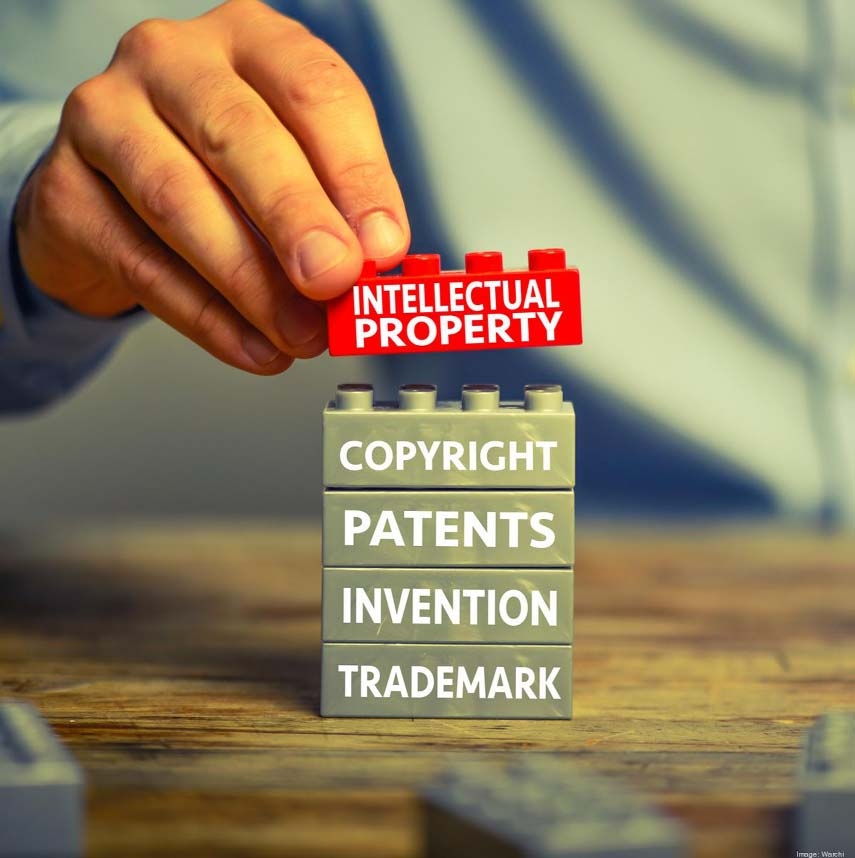
Despite its importance, protecting intellectual property can be challenging. Infringement, counterfeiting, piracy, and unauthorized use remain significant concerns for creators and businesses worldwide.
Enforcing intellectual property rights often requires legal action, which can be costly and time-consuming. International enforcement can be particularly difficult due to differences in legal systems and regulatory frameworks across countries.
Rapid technological advancements also create new legal questions regarding ownership, licensing, and protection. Emerging technologies such as artificial intelligence, blockchain, and digital platforms continue to reshape the intellectual property landscape.
Organizations must stay informed about evolving laws and best practices to effectively protect their intellectual assets and respond to emerging threats.
How to Protect Intellectual Property
Protecting intellectual property begins with identifying valuable intellectual assets and understanding the appropriate forms of legal protection available. Businesses and individuals should consider registering patents, trademarks, and copyrights when applicable.
Maintaining accurate records of creation and ownership is essential for establishing legal rights. Companies should implement confidentiality agreements, security measures, and employee training programs to protect trade secrets and proprietary information.
Regular monitoring of the marketplace can help identify potential infringements and unauthorized uses. Prompt action is often necessary to prevent further violations and preserve legal rights.
Seeking professional legal advice can also be beneficial, particularly when dealing with complex intellectual property issues, international protection strategies, or enforcement actions.
The Future of Intellectual Property Rights
As innovation continues to drive economic growth and technological progress, intellectual property rights will remain increasingly important. New industries, digital platforms, and technological advancements will continue to shape how intellectual property is created, protected, and commercialized.
Governments, businesses, and international organizations are working to adapt intellectual property frameworks to address emerging challenges while promoting innovation and creativity. Greater international cooperation may help improve enforcement and harmonize legal standards across borders.
The future of intellectual property rights will likely involve balancing the interests of creators, businesses, consumers, and society as a whole. Effective protection systems will be essential for fostering innovation while ensuring access to knowledge and cultural development.
Conclusion
Understanding what is intellectual property rights is essential in today’s innovation-driven world. Intellectual property rights provide legal protection for inventions, creative works, brands, and confidential business information. They encourage innovation, support economic growth, and reward creators for their contributions.
Whether through patents, copyrights, trademarks, or trade secrets, intellectual property rights help individuals and organizations protect valuable assets and maintain competitive advantages. As technology continues to evolve, the importance of intellectual property protection will only increase. By learning what is intellectual property rights and implementing effective protection strategies, creators and businesses can safeguard their innovations and unlock new opportunities for growth and success.