
India’s criminal justice system received a major update with three new laws that replaced colonial-era codes. Among them, the Bharatiya Nagarik Suraksha Sanhita plays a central role in defining how criminal cases are investigated, tried, and resolved. This user-friendly guide covers everything important about the BNSS Bare Act for students, lawyers, and common citizens.
What Does BNSS Stand For?
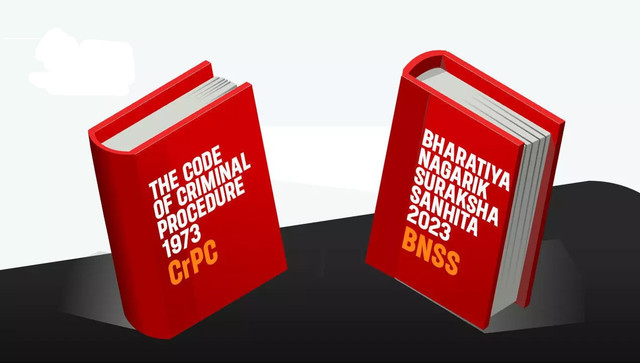
The BNSS Bare Act refers to the Bharatiya Nagarik Suraksha Sanhita, the new law that governs criminal procedure across India. It replaced the Code of Criminal Procedure (CrPC) from 1973 and came into effect on July 1, 2024. With 531 sections, the new law aims to make the justice process faster, more transparent, and more technology-friendly while protecting the rights of all stakeholders.
The bare act format presents the exact legal text, making it the primary reference for police officers, magistrates, judges, and legal practitioners.
Why Was BNSS Introduced?
The old CrPC had served the country for decades but showed signs of age. Long delays in trials, excessive paperwork, and limited use of technology created widespread frustration. The BNSS Bare Act addresses these issues by introducing clear timelines, digital solutions, and better safeguards for victims and accused persons.
The law seeks to fulfill the constitutional promise of speedy justice while maintaining the delicate balance between individual rights and societal interests.
bnss brings procedural reforms that touch every stage of a criminal case from the first complaint to final judgment.
Major Highlights of the BNSS Bare Act
Several groundbreaking changes distinguish the new law from its predecessor:
- Strict timelines for investigation and trial completion.
- Mandatory use of technology for summons, evidence recording, and hearings.
- Easier bail provisions for many categories of cases.
- Stronger focus on victim rights and witness protection.
- Provisions for summary trials in minor offences to reduce backlog.
These updates aim to cut years of delay that previously plagued the system.
Key Procedural Changes

The BNSS Bare Act introduces several practical improvements:
FIR and Investigation: Zero FIR concept strengthened. Police must provide a copy of the FIR immediately. Forensic investigation made compulsory for serious offences. Time limits set for completing investigations in most cases.
Arrest and Custody: Arrest not mandatory in many minor cases. Notice of appearance can be issued instead. Audio-video recording of arrest and search procedures made mandatory in most situations.
Bail Provisions: Default bail becomes easier after specific periods. Special considerations for first-time offenders and women. Timelines for deciding bail applications.
Trial Process: Judgments to be delivered within fixed periods. Trials in absentia permitted in certain cases. More offences made compoundable.
- Important new features in BNSS:
- Electronic mode for serving documents and conducting proceedings.
- Designated timelines for mercy petitions.
- Better coordination between police and prosecution.
- Protection of witnesses through identity concealment where needed.
bnss emphasizes accountability by setting clear deadlines for police and judicial officers.
Comparison with Old CrPC
The shift from CrPC to BNSS involves meaningful differences:
- Reduced use of complex legal language.
- Greater integration of digital tools throughout the process.
- Stronger safeguards against arbitrary arrests.
- Enhanced rights for victims to participate meaningfully.
- Streamlined appeal and revision procedures.
Many legal experts consider these changes as long-overdue modernization of criminal procedure.
Practical Impact on Different Stakeholders

For Police: Clearer guidelines and technology tools help improve efficiency. Mandatory body cameras and forensic requirements raise professional standards.
For Courts: Reduced paperwork and video conferencing options help manage heavy caseloads better. Fixed timelines encourage faster disposal of cases.
For Citizens: Ordinary people benefit from quicker justice, easier access to documents, and better protection of rights. Victims get more say in proceedings while accused persons receive safeguards against prolonged detention.
bnss has made the entire criminal justice machinery more responsive to the needs of a modern democratic society.
How to Access and Study the BNSS Bare Act
The official bare act is freely available on government legal websites. Many publishers offer annotated versions with explanations and case references. Law colleges have updated their syllabus to focus heavily on the new provisions.
Practicing lawyers maintain both digital and printed copies for ready reference. Regular training programs help police and judicial officers understand practical application of various sections.
- Study tips for students and professionals:
- Start with definitions and general principles.
- Focus on chapters related to investigation and trial.
- Compare key sections with old CrPC for better understanding.
- Read recent court judgments interpreting new provisions.
- Practice drafting applications using new formats.
bnss continues to evolve as courts interpret different sections and provide clarity through landmark decisions.
Challenges During Transition

Implementing such a large-scale legal reform naturally came with initial difficulties:
- Training requirements for thousands of officials.
- Updating old case records and formats.
- Infrastructure gaps in smaller courts and police stations.
- Public awareness about new rights and procedures.
Most of these challenges are being addressed progressively through targeted programs and technology upgrades.
Future Outlook
As more cases progress entirely under the new law, its real benefits will become visible. Reduced pendency, higher conviction rates in genuine cases, and improved public trust are expected outcomes. The BNSS Bare Act also opens doors for further reforms based on practical experience and feedback from the ground.
Legal researchers are already studying early data to suggest possible amendments that can strengthen the framework further.
bnss represents India’s commitment to building a criminal justice system that is efficient, fair, and worthy of a progressive nation.
Conclusion
The BNSS Bare Act marks a significant milestone in the evolution of India’s legal system. By introducing clear timelines, embracing technology, and balancing various rights, it addresses long-standing issues that affected the delivery of justice. From police stations to higher courts, the impact of these procedural changes will be felt across the country.
Whether you are studying law, practicing in courts, working in law enforcement, or simply want to understand your rights as a citizen, knowledge of the BNSS Bare Act has become essential. The law reflects a forward-looking approach that combines tradition with modernity.
As implementation matures and more people become familiar with its provisions, the BNSS Bare Act is expected to strengthen the foundation of rule of law in India. Staying updated with these changes helps every individual navigate the legal system more confidently and contribute to the larger goal of accessible and timely justice for all.