
What are court marriage process?
The court marriage process is a legal way for two eligible adults to marry before a Marriage Officer under the Special Marriage Act, 1954.
Best court marriage process
Prepare all documents, meet eligibility requirements, and complete the notice period to ensure smooth registration.
How to choose court marriage process?
Choose the procedure based on legal requirements, document availability, and local regulations. Consulting an expert can help avoid delays.
Introduction
Marriage is one of the most important decisions in life, but many couples prefer a simple and legally recognized union without elaborate ceremonies. Whether due to personal choice, interfaith relationships, or convenience, court marriage has become increasingly popular across India.
The legal framework for court marriage provides couples with a transparent and secure method of registering their marriage. Unlike traditional weddings that may involve extensive rituals and expenses, court marriage focuses on legal compliance and official recognition.
Understanding the process, documentation, and legal requirements can help couples avoid unnecessary complications. This guide explains everything you need to know about the court marriage procedure in India according to the current legal framework.
Quick Summary
- Court marriage is governed by the Special Marriage Act, 1954.
- Both partners must meet age and eligibility requirements.
- A notice period of 30 days is generally required.
- Marriage is registered and legally recognized after completion of formalities.
Court Marriage Process: Step-by-Step Legal Procedure
The court marriage process begins with filing a notice of intended marriage before the Marriage Officer in the district where either partner has resided for at least 30 days. The notice contains basic details of both parties and serves as an official declaration of their intention to marry.
After the application is submitted, the Marriage Officer displays the notice publicly for a mandatory period. This period allows any person to raise valid legal objections if the marriage violates provisions of the law. If no objection is received or all objections are resolved, the marriage can proceed.
On the scheduled date, both partners and three witnesses appear before the Marriage Officer. The parties sign the required declarations, and the marriage is solemnized. A marriage certificate is then issued, which serves as legal proof of marriage throughout India.
Eligibility Criteria for Court Marriage
Before initiating the procedure, couples must satisfy certain legal conditions. The groom must be at least 21 years old, while the bride must be at least 18 years old. Both individuals must be mentally competent to give valid consent.
Additionally, neither party should have a living spouse at the time of marriage. The relationship between the couple must not fall within prohibited degrees unless permitted by applicable customs or laws.
Meeting these requirements is essential because failure to comply can result in rejection of the application or legal complications later.
Documents Required
Proper documentation plays a crucial role in ensuring a smooth registration process. Authorities may request supporting evidence to verify identity, age, and residence.
| Document Type | Purpose |
|---|---|
| Aadhaar Card/PAN Card | Identity Proof |
| Birth Certificate/School Certificate | Age Proof |
| Passport-size Photographs | Official Records |
| Address Proof | Residence Verification |
| Affidavit | Marital Status Declaration |
| Witness Identity Proof | Witness Verification |
Different states may request additional documents depending on local administrative requirements.
Notice Period and Verification
A significant aspect of the court marriage process is the mandatory notice period. Once the notice is submitted, it remains displayed for 30 days. During this period, authorities verify the information provided by both parties.
The verification process helps ensure compliance with legal requirements and prevents fraudulent marriages. Although the waiting period may seem lengthy, it serves an important role in protecting the integrity of the marriage registration system.
According to legal practitioners, most court marriage applications proceed smoothly when documents are complete and accurate from the beginning.
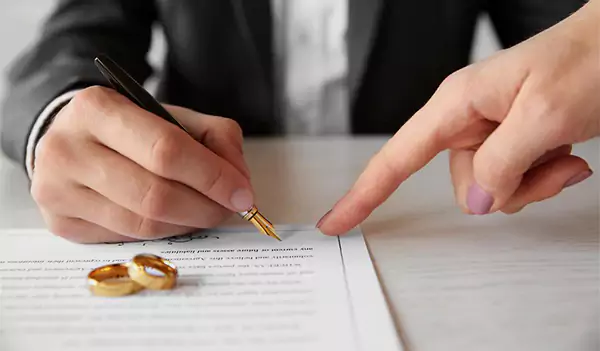
Role of Witnesses in Court Marriage
Witnesses play an important role during the marriage registration ceremony. Generally, three adult witnesses are required to be present on the date of marriage.
These witnesses confirm the identity of both parties and verify that the marriage is being entered into voluntarily. Witnesses may include family members, friends, colleagues, or relatives, provided they possess valid identification documents.
Their signatures become part of the official marriage record, making their presence legally significant.
Time Required for Court Marriage
The overall timeline largely depends on documentation, verification, and administrative processing. In most cases, the procedure takes approximately 30 to 60 days because of the statutory notice period.
Delays can occur if documents are incomplete, information is inaccurate, or objections are raised during the notice period. Proper preparation can significantly reduce the likelihood of such delays.
Many legal experts estimate that over 70% of application delays are linked to documentation errors or missing records.
Advantages and Disadvantages
Pros & Cons
Pros
- Legally recognized across India
- Cost-effective compared to traditional weddings
- Suitable for interfaith and inter-caste marriages
- Simple documentation and registration
Cons
- Mandatory notice period may cause delays
- Documentation requirements can be extensive
- Public notice may raise privacy concerns
- Procedures vary slightly by jurisdiction
Real-Life Example
Consider a couple from different religious backgrounds who wish to marry without converting their faith. Instead of organizing multiple ceremonies, they choose the legal route under the Special Marriage Act.
After gathering age proof, address proof, photographs, and affidavits, they submit their application. Following the notice period and verification process, they appear before the Marriage Officer with three witnesses and receive their marriage certificate. The entire procedure is completed smoothly because they prepared all required documents in advance.
Common Mistakes to Avoid
- Submitting incomplete documentation
- Providing incorrect personal information
- Ignoring local procedural requirements
- Arriving without eligible witnesses
- Missing scheduled appointments
Avoiding these mistakes can save both time and effort during registration.
Expert Tips for a Smooth Experience
- Verify document requirements beforehand.
- Keep multiple photocopies of all records.
- Ensure witness availability in advance.
- Check spellings and personal details carefully.
- Maintain copies of all submitted forms.
Who Should Use This Option?
Court marriage is ideal for couples seeking a legally recognized marriage without elaborate ceremonies. It is particularly suitable for interfaith couples, inter-caste couples, working professionals, and individuals who prefer a straightforward legal process.
The procedure also benefits couples who want a secure legal record of their marriage for future purposes such as visa applications, insurance claims, property matters, and government documentation.

Legal Importance of Marriage Certificate
A marriage certificate issued after completion of the court marriage process serves as an official legal document. It can be used for passport applications, name changes, bank records, insurance nominations, immigration procedures, and inheritance matters.
The certificate also provides legal protection and establishes the marital status of both parties in government and private records.
FAQs
What is the minimum age requirement for court marriage?
The groom must be at least 21 years old and the bride must be at least 18 years old.
How long does the court marriage process take?
The court marriage process typically takes around 30 to 60 days, depending on verification and administrative procedures.
Can objections stop a court marriage?
Only legally valid objections can affect the process. Authorities review all objections before making a decision.
Is a lawyer mandatory for court marriage?
No. However, legal assistance may help simplify documentation and procedural compliance.
Is the marriage certificate sufficient proof of marriage?
Yes. The certificate serves as official legal proof of marriage.
Summary Recap
Court marriage offers a simple, legal, and cost-effective way for couples to formalize their relationship. By understanding eligibility requirements, preparing the necessary documents, completing the notice period, and appearing with witnesses, couples can complete the process efficiently. Proper planning and attention to detail significantly reduce the chances of delays or complications.
Conclusion
The court marriage process provides a reliable legal framework for couples who value simplicity, legal protection, and official recognition. Whether you belong to different faiths, prefer a civil marriage, or simply want a hassle-free registration method, understanding the requirements in advance can make the experience smooth and stress-free. With proper preparation and accurate documentation, couples can confidently begin their married life with a strong legal foundation.
Read More:-Court Marriage in India: Complete Legal Guide for 2026