
Introduction
When a serious road crash occurs, the focus quickly shifts from emergency response to understanding what actually happened. This is where a detailed and structured inquiry becomes essential. A fatal accident investigation helps authorities reconstruct events, identify causes, and ensure accountability while also preventing similar incidents in the future.
These investigations are not just about assigning blame. They are about gathering facts, analyzing evidence, and building a clear picture of the incident. Every detail—from tire marks on the road to vehicle damage patterns—can provide critical insight into what led to the crash.
Modern investigative methods combine science, technology, and human expertise. The goal is always to ensure accuracy, fairness, and transparency throughout the process.
What is a Road Crash Investigation Process?
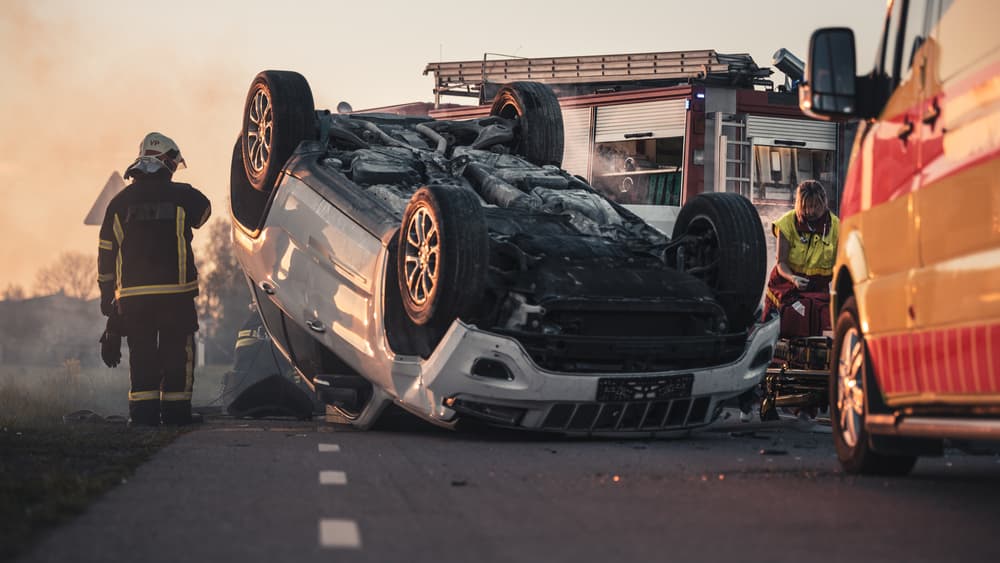
A road crash investigation is a systematic procedure used to determine how and why a collision occurred. In a fatal accident investigation, experts carefully reconstruct the sequence of events leading up to the crash.
This process typically begins at the accident scene and continues through laboratory analysis, witness interviews, and digital reconstruction. Investigators aim to answer key questions such as who was involved, what happened, when it occurred, and why it happened.
By piecing together physical and digital evidence, authorities can establish a reliable narrative of the incident. This ensures that conclusions are based on facts rather than assumptions.
Key Steps Involved in Road Crash Investigations
A structured approach is essential for accuracy and fairness. In a fatal accident investigation, the process usually follows several key stages designed to preserve evidence and analyze it systematically.
The first stage involves securing the accident scene. Investigators ensure that no evidence is disturbed. Photographs, measurements, and environmental conditions are recorded immediately.
The next stage includes evidence collection, where physical materials like vehicle parts, skid marks, and debris are gathered for analysis. Witness statements are also recorded during this phase.
Finally, reconstruction experts analyze all collected data to recreate the accident scenario. This helps determine speed, impact angle, and driver behavior before the collision.
Each of these steps plays a vital role in building an accurate understanding of the incident.
Who Conducts These Investigations?
Multiple professionals work together during a fatal accident investigation to ensure a complete and unbiased outcome.
Typically, traffic police officers are the first responders at the scene. They secure the area and begin initial documentation. Specialized accident reconstruction experts are then brought in to analyze technical evidence.
In complex cases, forensic scientists may examine biological or material evidence, while mechanical experts assess vehicle performance and failure points.
Legal authorities may also be involved to ensure compliance with judicial requirements. This multi-disciplinary approach ensures that every aspect of the crash is thoroughly examined.
Methods and Tools Used in Crash Analysis
Modern investigations rely heavily on advanced tools and scientific methods. In a fatal accident investigation, technology plays a crucial role in reconstructing events accurately.
High-resolution photography and drone imaging help capture the accident scene from multiple angles. 3D laser scanning is used to create precise digital models of the crash environment.
Data from event data recorders (commonly known as black boxes) provides insights into vehicle speed, braking patterns, and steering input before impact. Simulation software is also used to recreate the collision scenario virtually.
These methods help investigators eliminate guesswork and base conclusions on measurable data.
Comparison of Investigation Stages
Below is a simplified overview of how different stages contribute to a complete crash analysis:
| Stage | Purpose | Key Activities |
|---|---|---|
| Scene Securing | Preserve evidence | Traffic control, safety setup |
| Data Collection | Gather physical proof | Photos, debris, skid marks |
| Witness Analysis | Understand human factors | Interviews, statements |
| Technical Review | Analyze vehicle behavior | Mechanical inspection |
| Reconstruction | Recreate the incident | Simulation, modeling |
Each stage plays a critical role in ensuring the accuracy of findings and supports the overall outcome of a fatal accident investigation.
Common Challenges in Accident Investigations

Despite advanced tools and methods, investigators often face several challenges. One major issue is the loss or contamination of evidence if the scene is not secured quickly.
Weather conditions can also affect physical evidence such as skid marks or debris patterns. In some cases, lack of reliable witnesses makes it difficult to confirm timelines.
Technological limitations and incomplete vehicle data may further complicate analysis. However, continuous improvements in forensic science are helping reduce these challenges over time.
Why Accident Investigations Are Important
Understanding the cause of a crash is essential for improving road safety. A fatal accident investigation provides valuable insights that can be used to prevent similar incidents in the future.
These investigations also play a key role in legal proceedings, insurance claims, and policy-making decisions. By identifying risk factors such as speeding, mechanical failure, or road design issues, authorities can implement better safety measures.
Ultimately, these inquiries contribute to saving lives by improving awareness and accountability.
Key Takeaways
- Road crash investigations follow a structured scientific process
- Multiple experts contribute to ensure accuracy and fairness
- Modern technology plays a major role in reconstruction
- Evidence preservation is critical for reliable outcomes
- Findings help improve road safety and legal clarity
FAQs
1. What is the main purpose of a road crash investigation?
The main purpose is to determine the cause of the crash and prevent similar incidents in the future through factual analysis.
2. Who leads a typical accident investigation team?
Usually, traffic police lead the initial response, followed by forensic experts and reconstruction specialists when needed.
3. What evidence is most important in crash analysis?
Vehicle damage, skid marks, witness statements, and digital data from onboard systems are all crucial.
4. How long does an investigation usually take?
It can take anywhere from a few days to several months depending on complexity and evidence availability.
5. Why is scene preservation so important?
Preserving the scene ensures that evidence remains untouched and accurate conclusions can be drawn.
6. Can technology fully determine crash causes?
Technology significantly improves accuracy, but human expertise is still essential for interpretation.
7. How does insurance depend on accident investigations?
Insurance companies rely on investigation reports to determine liability and process claims fairly.
Conclusion
A well-executed crash inquiry is essential for justice, safety, and prevention. A fatal accident investigation not only explains what happened but also provides lessons that can help reduce future risks on the road.
From evidence collection to advanced digital reconstruction, every step contributes to building a complete and accurate understanding of the incident. As technology continues to evolve, these investigations will become even more precise and impactful, ultimately making roads safer for everyone.