
The Indian criminal justice system has undergone a major transformation with the introduction of new laws aimed at making justice faster and more citizen-friendly. Among these changes, the BNSS Bare Act stands out as a comprehensive document that replaces the old Code of Criminal Procedure. This guide explains everything in simple language so students, lawyers, and common citizens can understand its importance and practical use.
What is BNSS Bare Act?
The Bharatiya Nagarik Suraksha Sanhita, commonly referred to through its bare act, is the new procedural law for criminal matters in India. Enacted in 2023 and implemented from July 1, 2024, it modernizes investigation, trial, and justice delivery processes. The BNSS Bare Act contains detailed sections covering police powers, court procedures, rights of accused persons, and victim protections.
It has 531 sections compared to 484 in the previous code, with several new additions focused on technology, timelines, and transparency. The bare act format presents the exact legal text without commentary, making it essential for precise reference in courts and studies.
Major Changes Introduced in BNSS
The new law brings several reforms to reduce delays that plagued the old system. Some highlights include:
- Mandatory Timelines: Specific deadlines for filing charge sheets, conducting trials, and pronouncing judgments.
- Technology Integration: Allows electronic summons, video conferencing for trials, and digital evidence handling.
- Victim-Centric Approach: Stronger provisions for witness protection and compensation to victims.
- Simplified Procedures: Easier FIR registration, including zero FIR, and preliminary inquiry in certain cases.
These updates aim to make the system more efficient while safeguarding fundamental rights.
Key Provisions of BNSS Bare Act
The BNSS Bare Act covers every stage of a criminal case from complaint to final judgment. Here are some important areas:
FIR and Investigation: Police must register FIRs for cognizable offences without delay. The law introduces provisions for preliminary enquiry in certain complaints. Investigations must be completed within 90 days for most cases, with extensions possible under specific conditions.
Arrest and Bail: The new rules make arrest mandatory only in serious offences. For many cases, notice to appear before police replaces immediate arrest. Bail provisions have been liberalized, especially for first-time offenders and cases punishable up to 7 years.
Charge Sheet and Trial: Police must file charge sheets within 90 days (or 120 days in some cases). Trials should ideally conclude within 6 months to 2 years depending on the offence severity. The BNSS Bare Act encourages summary trials for minor offences to reduce backlog.
Judgment and Appeals: Courts must deliver judgments within 45 days of hearing completion in many matters. New provisions allow for more transparent recording of evidence through audio-visual means.
- Notable new features in the bare act:
- Audio-video recording of search and seizure mandatory in many cases.
- Use of forensic evidence for serious crimes.
- Designated timelines for mercy petitions and death sentence execution.
- Special provisions for crimes against women and children.
Differences Between BNSS and Old CrPC
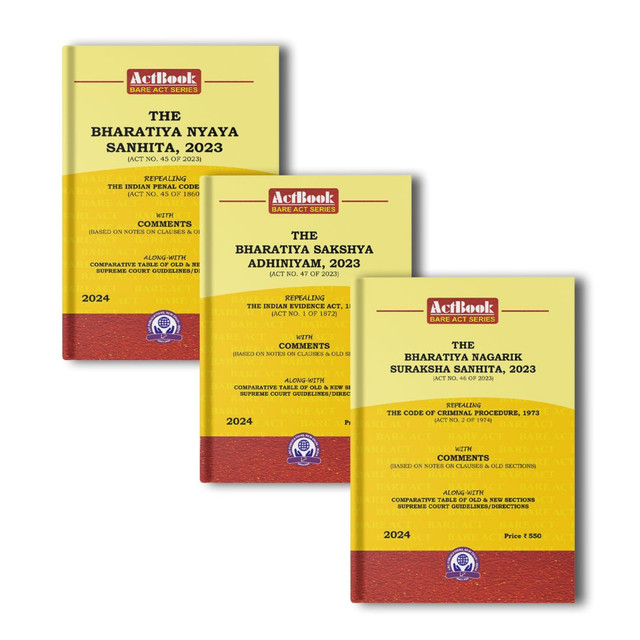
The shift from the colonial-era CrPC to the new BNSS Bare Act brings fundamental improvements:
- Citizen Focus: Greater emphasis on rights of victims and witnesses rather than only the accused.
- Time-Bound Processes: Strict schedules replace vague timelines that caused years of delays.
- Digital First: Embraces technology where the old law relied heavily on physical paperwork.
- Police Accountability: Provisions for action against officers who fail to register complaints or meet deadlines.
Many legal experts view these changes as a step towards decolonizing the justice system while making it more practical for modern India.
bnss bare act provides the complete legal framework that every police officer, lawyer, and judge must follow in criminal proceedings today.
Practical Implications for Common Citizens
Ordinary people benefit significantly from the new law. If you become a victim of crime, you can expect faster police response and regular updates on your case. The provision for zero FIR means you can report at any police station regardless of jurisdiction.
For those facing false cases, easier bail and time limits on trials offer better protection against prolonged harassment. The law also recognizes community service as punishment for minor offences, promoting reformative justice.
Students and young lawyers find the BNSS Bare Act easier to study due to its structured and updated language. It is now the primary reference material in law colleges across the country.
How to Access and Study the BNSS Bare Act
The full bare act is available on official government websites and legal publishing platforms. Many free PDFs and mobile apps provide section-wise search features. When reading the bare act, focus on:
- Definitions in early sections
- Powers of police and magistrates
- Procedures for different types of cases
- Schedules listing offences and punishments
It is advisable to read the bare act along with short commentaries or case laws for better understanding, especially during exams or professional practice.
bnss bare act has replaced decades-old procedures and is now the backbone of criminal litigation in Indian courts.
Challenges and Implementation

Like any major reform, the transition to the new system faced initial hurdles. Training of police personnel, judges, and lawyers required massive efforts. Infrastructure for video conferencing and digital record-keeping is still being strengthened in many districts.
Some critics point out that strict timelines may create pressure on the system, potentially affecting quality of investigations. However, most stakeholders agree that the overall direction is positive and necessary for a populous country like India.
Courts have started interpreting various sections of the BNSS Bare Act, and early judgments are clarifying grey areas. Legal professionals are actively updating their knowledge to adapt to the changes.
bnss bare act represents a historic shift aimed at delivering justice within reasonable time while upholding constitutional values.
Important Sections Every Citizen Should Know
While the full bare act contains hundreds of sections, some deserve special attention:
- Sections dealing with FIR registration and rights during investigation.
- Provisions related to bail and anticipatory bail.
- Rules for search, seizure, and evidence collection.
- Victim compensation and witness protection schemes.
- Special procedures for trials in absentia in certain cases.
Keeping a basic understanding of these areas helps when interacting with the legal system.
bnss bare act continues to evolve through judicial interpretations and possible future amendments as implementation experience grows.
Conclusion
The BNSS Bare Act marks a new chapter in India’s criminal justice journey by replacing outdated procedures with modern, time-bound, and technology-driven processes. From easier complaint registration to faster trials and stronger victim rights, the law aims to restore public trust in the system.
Whether you are a law student preparing for exams, a practicing advocate, or an ordinary citizen who wants to know your rights, familiarizing yourself with the BNSS Bare Act is highly valuable. The shift may take time to show full results, but the foundation for a more efficient and equitable system is now in place.
✨ Read more :- 🔗Cyber Crime Helpline Number: Complete Guide to Reporting...