
Introduction
The National Investigation Agency is one of India’s most important law enforcement organizations, dedicated to combating terrorism and protecting national security. Established to address growing concerns related to terrorism, organized crime, and threats against the nation, the agency plays a critical role in maintaining peace and stability across the country. Over the years, the National Investigation Agency has earned recognition for conducting complex investigations involving terror financing, cybercrime, cross-border terrorism, and other serious offenses that impact national interests.
India faces numerous security challenges due to its geographical location, diverse population, and evolving technological landscape. As threats become more sophisticated, specialized investigative agencies are essential for ensuring public safety. The creation of the National Investigation Agency marked a significant step in strengthening India’s internal security framework. Through its expertise, advanced investigative methods, and coordination with national and international agencies, it continues to contribute significantly to the nation’s defense against terrorism and organized crime.
The Formation of the National Investigation Agency

The establishment of the National Investigation Agency was a direct response to increasing security concerns and major terror incidents that highlighted the need for a centralized counter-terror investigation body. The agency was formed in 2008 following the Mumbai terror attacks, which exposed gaps in the country’s ability to investigate and coordinate responses to terrorism effectively.
The government recognized that crimes affecting national security often crossed state boundaries and required specialized expertise. Traditional law enforcement agencies were highly capable within their jurisdictions, but a centralized body was needed to handle cases involving multiple states and international connections. As a result, the National Investigation Agency Act was enacted, granting the agency authority to investigate specific offenses linked to terrorism, national security, and related crimes.
Since its formation, the agency has expanded its operational capabilities, strengthened intelligence-sharing mechanisms, and enhanced cooperation with various security organizations. Its creation represented a strategic move toward a more unified and effective national security structure.
Core Objectives and Responsibilities
The primary mission of the National Investigation Agency is to investigate and prevent crimes that threaten India’s sovereignty, security, and integrity. The agency focuses on offenses that have national and international implications, particularly those involving terrorism and extremist activities.
One of its key responsibilities is investigating terrorist attacks and identifying individuals, groups, and networks involved in planning or executing such activities. The agency also targets terror financing operations, which often serve as the financial backbone of extremist organizations. By disrupting funding channels, investigators weaken the operational capabilities of these groups.
In addition, the National Investigation Agency addresses cyber-related threats, counterfeit currency operations, arms trafficking, human trafficking linked to terror organizations, and other crimes affecting national interests. The agency’s broad mandate enables it to tackle evolving security challenges while maintaining a proactive approach toward threat prevention and detection.
Organizational Structure and Operations
The National Investigation Agency operates through a structured framework designed to ensure efficient investigations and coordination. The organization is led by senior officers with extensive experience in law enforcement, intelligence gathering, and counter-terrorism operations.
The agency maintains branch offices in multiple locations across India, allowing investigators to respond quickly to incidents and conduct field operations effectively. These offices facilitate coordination with local police forces, intelligence agencies, and central government departments.
Investigative teams within the organization often consist of specialists in areas such as cyber forensics, financial analysis, intelligence collection, legal proceedings, and criminal investigations. This multidisciplinary approach enables comprehensive examinations of complex cases involving multiple layers of criminal activity.
Technology plays a crucial role in the agency’s operations. Advanced forensic laboratories, digital analysis tools, surveillance systems, and intelligence databases help investigators gather evidence and establish connections between suspects, organizations, and criminal networks.
Legal Powers and Jurisdiction
One of the defining characteristics of the National Investigation Agency is its extensive legal authority. Unlike many law enforcement agencies that operate primarily within state boundaries, the agency has jurisdiction across the entire country for designated offenses.
The organization can take over investigations involving crimes listed under specific laws related to terrorism, national security, and other serious offenses. Once a case is assigned, investigators can conduct searches, collect evidence, question witnesses, and make arrests according to legal procedures.
The agency’s nationwide jurisdiction allows it to pursue suspects and gather evidence across multiple states without facing significant administrative barriers. This capability is particularly important in cases involving coordinated terrorist networks that operate across different regions.
International cooperation is another vital aspect of its authority. The agency frequently collaborates with foreign governments, international law enforcement bodies, and intelligence organizations to track suspects, gather intelligence, and dismantle transnational criminal networks.
Major Contributions to National Security
Over the years, the National Investigation Agency has played a significant role in strengthening India’s security environment. Through successful investigations and prosecutions, the agency has disrupted numerous terrorist plots and criminal operations.
One of its major contributions involves uncovering terror financing networks that channel funds to extremist groups. By tracing financial transactions and identifying funding sources, investigators have helped prevent attacks and weaken terrorist organizations.
The agency has also conducted investigations into bombings, attacks on security forces, recruitment networks, and online radicalization efforts. These operations often require extensive intelligence gathering, surveillance, forensic analysis, and coordination among multiple agencies.
In addition to reactive investigations, the organization contributes to preventive security measures by identifying emerging threats and providing intelligence support. Its efforts have enhanced national preparedness and improved the country’s ability to respond effectively to security challenges.
Challenges Faced by the Agency
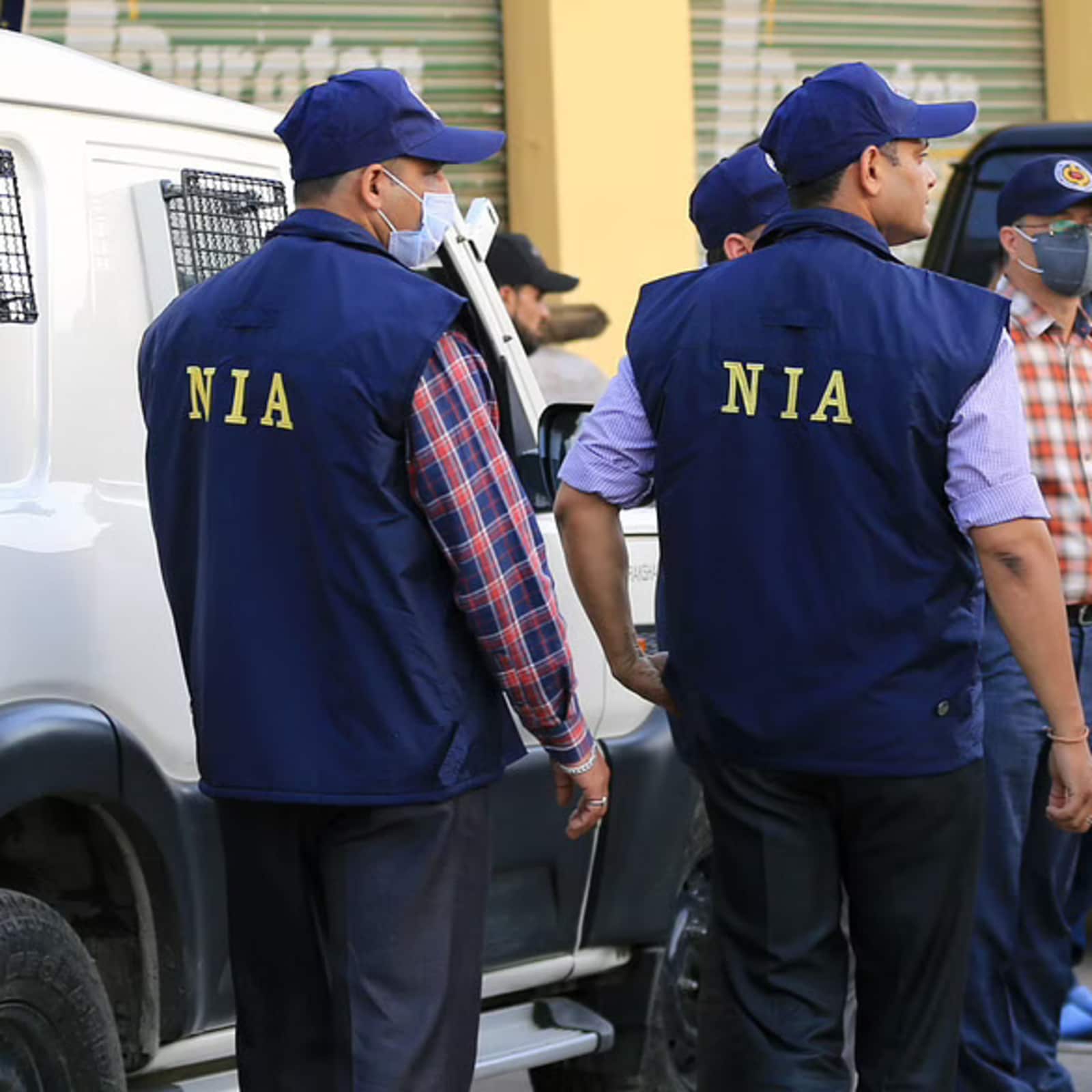
Despite its successes, the National Investigation Agency faces several challenges in fulfilling its mission. Terrorist organizations continually adapt their tactics, making investigations increasingly complex and resource-intensive.
The rapid growth of digital communication technologies has transformed the security landscape. Extremist groups frequently use encrypted messaging platforms, social media networks, and anonymous financial systems to coordinate activities and evade detection. Investigators must constantly upgrade their technological capabilities to keep pace with these developments.
Cross-border terrorism presents another significant challenge. Criminal networks often operate from multiple countries, requiring extensive international cooperation and legal coordination. Differences in legal systems, extradition processes, and information-sharing mechanisms can complicate investigations.
Additionally, the agency must balance national security concerns with legal safeguards and individual rights. Maintaining transparency, accountability, and adherence to due process remains essential for preserving public trust and ensuring the legitimacy of its operations.
Technological Advancements and Modern Investigations
Modern security threats demand advanced investigative techniques, and the National Investigation Agency has embraced technology to improve its effectiveness. Digital forensics has become an essential component of contemporary investigations, enabling experts to recover, analyze, and interpret electronic evidence.
Artificial intelligence, data analytics, and cyber intelligence tools help investigators identify patterns, detect suspicious activities, and establish connections between individuals and organizations. These technologies enhance the speed and accuracy of investigations while supporting informed decision-making.
Cybersecurity investigations have become increasingly important as cyber threats continue to evolve. The agency works to identify individuals involved in cyber terrorism, online radicalization, and attacks targeting critical infrastructure. By developing specialized expertise in cybercrime investigations, the organization remains prepared to address emerging digital threats.
Continuous training programs ensure that personnel stay updated on technological developments and evolving investigative methodologies, allowing the agency to maintain operational effectiveness in a rapidly changing environment.
The Future of the National Investigation Agency
The future of the National Investigation Agency will likely involve greater reliance on advanced technology, enhanced international cooperation, and stronger intelligence integration. As security threats become more interconnected and technologically sophisticated, investigative agencies must continuously adapt to remain effective.
Artificial intelligence, machine learning, predictive analytics, and advanced surveillance technologies are expected to play increasingly important roles in future investigations. These tools can help identify potential threats before they materialize and support more proactive security strategies.
International collaboration will also become more critical as terrorism and organized crime networks continue to operate across borders. Strengthening partnerships with global law enforcement agencies and intelligence organizations will improve information sharing and coordinated responses.
The agency’s ability to evolve alongside changing threats will determine its continued success in protecting national security and ensuring public safety in the years ahead.
Conclusion
The National Investigation Agency stands as a cornerstone of India’s national security framework. Since its establishment, the agency has played a vital role in investigating terrorism, disrupting criminal networks, and safeguarding the country’s sovereignty. Through specialized expertise, nationwide jurisdiction, and advanced investigative capabilities, it has successfully addressed numerous security challenges.
As threats continue to evolve in complexity and scale, the importance of the National Investigation Agency will only increase. By embracing technological innovation, strengthening international cooperation, and maintaining a commitment to professional excellence, the agency remains well-positioned to protect India from emerging dangers. Its ongoing efforts contribute significantly to national stability, public safety, and the preservation of democratic values, making it an indispensable institution in India’s security landscape.